
Scary News Headlines and Seniors: Don’t Let Fear Steal Your Peace
Managing Facebook groups with about half a million members has given me a front-row seat to something I see almost every day.
Seniors get whipped into a frenzy over the latest headline.
People worry about Social Security, Medicare, budget cuts, new rules, changing qualifications, and things that “might happen” years from now. Sometimes there is a real reason to pay attention, because programs do change, costs go up, and rules change. Some proposals may eventually become law.
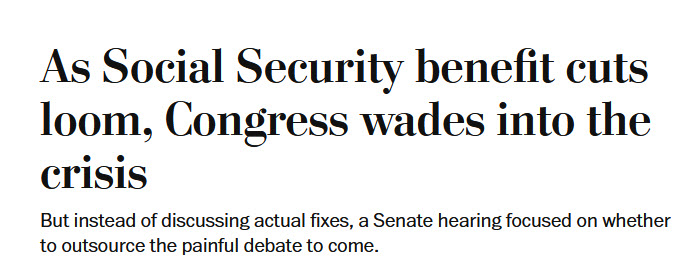 But many of the things people are frightened about haven’t happened at all, and some never will.
I see people worrying today about something that might happen five or ten years from now, as if it is happening next month. That kind of fear can steal your peace if you let it.
Take Social Security. Could changes happen someday? Of course, but major cuts to benefits would be a very difficult vote for almost any politician because millions of Americans depend on those checks. That doesn’t mean we should ignore serious discussions about Social Security. It means we should stop treating every headline, proposal, or prediction as if it were already a done deal.
Here’s a good example of what I’m talking about. You may have seen headlines saying “Trump Slashes Medicare Drug Subsidies.”
 That certainly sounds scary. But read past the headline.
This is not a cut to Medicare or Medicare Part D. It involves a temporary program started under the Biden administration in 2024 to help insurance companies keep Part D premiums from rising too quickly while major changes to the drug program were taking effect. The Trump administration has decided to end that temporary program after 2026, one year earlier than originally expected.
Will some seniors pay more? Yes. But again, look at the numbers.
Current estimates say about 25% of people with these Part D plans could see their premiums stay the same or even go down. About 30% could see an increase of less than $10 a month, while others could see larger increases. The actual 2027 premiums won’t be known until the plans are finalized.
Now compare that with Social Security. One current estimate puts the 2027 Social Security COLA at about 3.8%. That number isn’t official yet, but if it holds, the increase in Social Security benefits for many retirees would be much larger than a $10 monthly Part D increase.
Does that mean you should ignore changes to Medicare? Of course not.
It means read the whole story before deciding the sky is falling.
There is a lot to navigate right now. Budget cuts are real. Program rules can change. Qualifications can change. We need to stay informed, but we do not need to live in fear.
Remember something else. Most news companies are businesses. They sell advertising, and clicks help them sell more of it. A headline that scares you, shocks you, or makes you angry is much more likely to get your attention than a calm headline explaining the facts.
So keep your head on straight.
Read past the headline. Check the facts. Find out what has actually happened and what is only being discussed.
Pay attention to what matters, but learn to ignore a lot of the noise.
Scary News Headlines and Seniors
You’ve probably seen headlines like these:
“Seniors Could Be Hit With Massive Changes!”
“Your Retirement May Be at Risk!”
“Social Security Faces a Crisis!”
They work because they get our attention.

Researchers looked at more than 105,000 versions of online news headlines and found that negative words increased the chance that people would click. For an average headline, each extra negative word increased clicks by about 2.3%.
That doesn’t mean the story is false. It does mean the headline may be written to make you worried enough to click.
Words like crisis, warning, slashed, threatened, soaring and skyrocketing can make something sound much worse before you even know the facts.
And seniors are an easy audience for this because there are real concerns about Medicare, Social Security, prescription drugs, housing and the cost of living.
Read Past the Headline
Before you get upset about a story, find out what actually happened.
Is it a new law, or just a proposal?
Does it affect every senior or only a certain group?
Is the change happening next month, or is someone talking about what could happen years from now?
And look at the real numbers.
If a headline says Medicare costs are “skyrocketing,” how much are they actually going up? Five dollars? Fifty dollars? The number matters more than the scary word.
When possible, go back to the source. Check the Social Security Administration for Social Security news. Check Medicare.gov or CMS for Medicare changes. Check the IRS for federal tax information.
I would rather see what the original source says than depend on someone else to tell me what it means.
Facebook Can Make It Worse
This is where social media can really get things going.
Someone posts a scary headline. Another person adds an angry comment. Someone shares it without reading the story. Then another person adds something they heard somewhere else.
Pretty soon, people are reacting to a story that may be very different from the original one.
I see it happen all the time.
That doesn’t mean we should ignore bad news. Medicare costs can rise. Government programs can change. Scams are real. There are things seniors need to know about.
But there is a big difference between staying informed and living in fear.
The next time a headline gets your blood pressure going, don’t share it right away.
Read the story.
Check the date.
Look at the numbers.
Find out who it really affects.
And ask yourself one simple question: Has this actually happened, or am I worrying about something that might happen?
One of the reasons I created Retiring on a Budget was to help people, not scare them.
There is enough noise out there already.
Keep your head on straight, check the facts, and don’t let a scary headline steal your peace.