
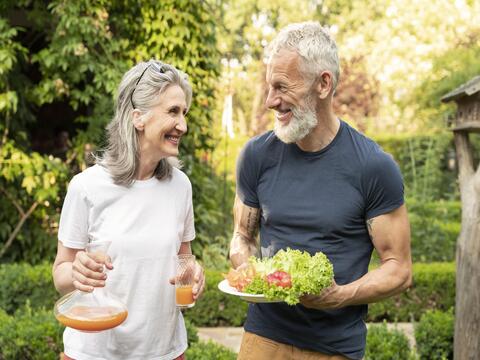
Staying healthy after 60 is about more than just surviving. It is about thriving. Many people begin to feel their age around retirement, even if they have maintained the same habits for decades. The reality is that the body changes in subtle ways. Some of these changes are biological. Others are lifestyle-based. Fortunately, many of them are entirely within your control.
This guide explores how to support your health through smart changes in diet, movement, and mindset. From the foods you choose to the supplements you take, staying healthy after 60 can be a rewarding and empowering journey.
Reframing What It Means to Be 65
Staying healthy after 60 means letting go of outdated beliefs about aging. Age 65 is often labeled as a turning point, but it is not old age. You may not run as fast as you did at 45, but you can still run. The muscles, brain, and body systems still work well if they are maintained. With proper care, there is no reason to feel limited simply because of a number.
Why You May Feel Different Now
Many people assume they are living the same way they always have. In truth, subtle changes in activity, eating habits, and lifestyle add up. Often, people move less and eat less. That can lead to fewer nutrients in the body. Others enjoy more financial flexibility and begin indulging more often. The body responds to both.
Health markers like cholesterol, blood pressure, and energy levels can shift quickly. These changes are not signs of aging alone. They reflect how lifestyle, not just time, impacts well-being.
Essential Supplements After 60
As you age, some nutrients become more critical than ever.
Vitamin B12 is vital for nerve health and the production of red blood cells. The recommended daily amount is 100 to 500 micrograms. This vitamin is not reliably absorbed from food alone as you age, even on a healthy diet.
Vitamin D is essential for bone health. If you live in an area with limited sun or do not get daily sun exposure, 2000 IU per day is a safe and commonly recommended dose.
Iodine is necessary for healthy thyroid function. Many salts today are not iodized. If you use Himalayan or sea salt, you may not be getting enough iodine. Seaweed and iodine supplements can restore balance.
Omega-3 fatty acids support heart and brain function. Plant-based DHA and EPA from algae are effective and free from the downsides of fish oil.
How to Spot a Deficiency
B12 deficiency often presents with no symptoms until serious nerve damage has occurred. Iodine deficiency may lead to fatigue, brittle hair, and poor skin tone. If you are feeling unlike yourself, it may be time to check your nutrient levels.
Risks of Starting a New Diet
Transitioning to a healthier diet is beneficial at any age, but it must be done mindfully. If you are on blood pressure or diabetes medication, and your new diet begins to improve your condition, you risk overmedicating. It is not the food that is the problem. It is the dosage of your medication. Speak with a healthcare provider before making significant dietary shifts.
What Happens When Seniors Go Plant-Based
A common myth is that older people cannot or will not change. In reality, many seniors are eager to make changes when they see results. Weight loss, increased energy, fewer medications, and better digestion are all common outcomes. Many plant-based diets are rich in nutrients and low in inflammation-promoting foods. The results can be transformative. Staying healthy after 60 often begins with changing what is on your plate.
Concerns About Protein
There is no need to worry about getting enough protein on a plant-based diet. Beans, lentils, tofu, tempeh, and soy milk all provide high-quality protein. Even vegetables contain protein. The key is to eat a variety of whole foods and to eat enough.
If your appetite has decreased due to inactivity, you may need to find creative ways to boost your food intake.
Building Muscle After 60
You can maintain or even grow muscle after 60 with regular resistance training. This does not require heavy lifting. Simple weight-bearing exercises, resistance bands, or bodyweight routines can do the job. Muscles need stimulation to remain strong. Without activity, they naturally decline. With it, they thrive.
Eating for Antioxidants and Inflammation
Brightly colored fruits and vegetables are packed with antioxidants. Carrots and sweet potatoes contain beta carotene. Tomatoes and watermelon offer lycopene. Strawberries and blueberries are rich in anthocyanins that help protect the brain. Leafy greens provide calcium and iron. These foods not only nourish the body but also help fight inflammation and cognitive decline.
What About White Vegetables
White vegetables like cauliflower should not be dismissed. They are cousins to broccoli and offer valuable nutrients. Unlike refined white foods like sugar or white flour, cauliflower is packed with fiber, antioxidants, and phytochemicals.
Supporting Gut and Heart Health
Your gut microbiome depends on fiber. Meat and dairy do not provide fiber, but beans, grains, fruits, and vegetables do. A strong microbiome supports not only digestion but also heart health, immunity, and even mental clarity.
The Risks of Processed Meats
Processed meats are not safe alternatives. They have been linked to an increased risk of cancer, heart disease, and even lung conditions like COPD. These products include bacon, sausage, deli meats, and hot dogs, even when labeled as chicken or turkey. Eliminating processed meat is one of the most powerful changes you can make for long-term health.
Boosting Brain Function with Food
Studies have shown that seniors who eat leafy greens and berries maintain cognitive function longer. These foods contain compounds that protect brain cells and support memory. Eating a variety of colors each day can protect your brain as you age.
Frozen Produce Works Too
You do not have to buy everything fresh. Frozen fruits and vegetables are often just as nutritious and sometimes more affordable. Stock your freezer with berries, spinach, and mixed vegetables to keep your meals colorful and convenient.
Extending Life in Your 80s
It is not too late to improve your health at any age. Changing your diet and increasing your activity level can still provide significant benefits in your 70s, 80s, and beyond. Even moderate changes can reduce medication dependence and increase energy, strength, and happiness.
Movement Without the Gym
Not everyone enjoys the gym. The good news is you do not need it. Walking, gardening, dancing, and household chores are all effective. The key is to move every day and to find ways to make movement enjoyable and social. This is one of the cornerstones of staying healthy after 60.
Rediscovering Purpose
Having a reason to wake up in the morning can be just as important as eating well. Purpose may come from community involvement, creative projects, volunteer work, or supporting others. When you live with intention, every day has value.
The Blue Zone Connection
Blue Zones are areas of the world where people regularly live past 100. Their success is linked to simple habits. They eat plant-based diets, move regularly, and stay socially connected. Many of their meals center around beans, squash, and corn. These foods are fiber-rich, protein-packed, and deeply nourishing.
Closing Thoughts
Staying healthy after 60 is not about drastic measures. It is about small, intentional changes that add up over time. When you nourish your body, stay active, and remain connected, aging becomes an opportunity, not a limitation. By staying healthy after 60, you open the door to more freedom, more energy, and more life.